With Google Translate and other AI-powered translation tools getting more capable by the day, it’s a fair question: why bother with a sworn translator when something free and instant is right there? The comparison between a sworn translator vs Google Translate matters, especially for official documents — because the two serve completely different needs, not just a question of “which one is better”. This article explains why they can’t simply be treated as interchangeable.
Google Translate: Fast, Free, But No Legal Weight
Google Translate and similar tools are genuinely useful for everyday needs — understanding a foreign-language email, reading an article, or casual communication. Legally, though, machine-translated output isn’t recognised by government agencies, notaries, courts, or embassies as a valid document. There’s no signature, seal, or accountable decree number behind it.
That’s a world apart from a sworn translator, who is officially appointed by the Minister of Law and Human Rights and whose work is recognised as legally binding. If you’re not familiar with this status yet, start with What Is a Certified Translator and Why You Need One.
This difference isn’t really about “machine vs human” — it’s about who’s legally accountable for the translation. Google Translate can’t be held responsible if something goes wrong. A sworn translator, by contrast, signs and seals their work, meaning they carry full legal accountability for its accuracy.
Why Machine Translation Is Risky for Official Documents
Machine translation works off statistical language patterns, not a deep understanding of legal or administrative context. A few common problems that come up:
- Legal or technical terms translated literally, when they actually have a different official equivalent
- Names, titles, or date/number formats misinterpreted (especially with complex grammar structures)
- The formal tone required for official documents often gets lost, coming across as casual instead
- No quality-control or re-verification process like the one a human translator would apply
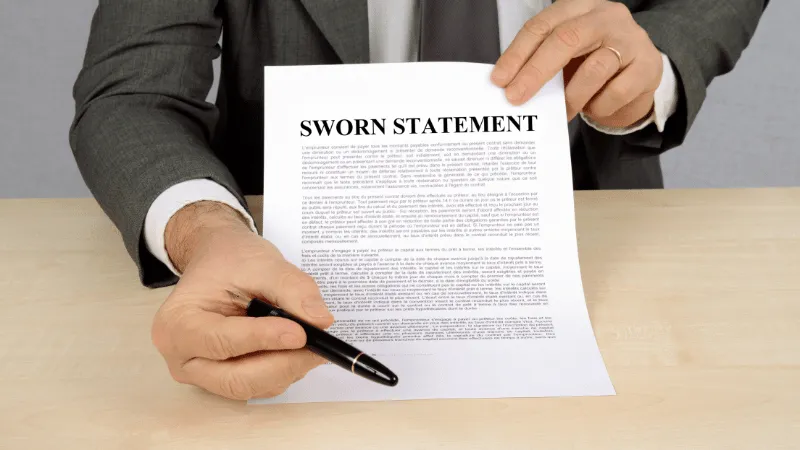
Small errors like these might not matter in casual conversation, but can have serious consequences in legal documents such as deeds, contracts, or official certificates — they can shift the legal meaning entirely, and even get the document rejected by the destination institution.
Take a simple example: a term like “next of kin” in a family-law context carries a much more specific meaning and legal implication than a literal machine translation would produce. An experienced sworn translator knows exactly when a term like this needs a precise legal equivalent, not just a word-for-word rendering.
When Is Google Translate Enough, and When Do You Need a Sworn Translator?
Google Translate is fine for personal needs that don’t require legal recognition — understanding an email, reading a product review, or casual communication with a foreign colleague. But for the following documents, a sworn translator is a requirement, not a choice:
- Documents for visa, immigration, or citizenship applications
- Birth certificates, marriage certificates, diplomas for official use abroad
- Business contracts, powers of attorney, and other legal documents
- Documents to be submitted to a court or notary
- Documents that will go through an apostille process
The fundamental difference between a sworn translator and a regular translator (machine included) is covered in more detail in Certified Translator vs Regular Translator: What’s the Difference? — the principle is the same: the more official and legally consequential your need, the more this status matters.
The practical rule of thumb: ask yourself, “will this document be seen by an official institution, notary, court, or embassy?” If yes, you need a sworn translator, full stop. If not, a regular translation tool is usually good enough.
The Risks of Using Google Translate for Official Documents
Beyond automatic rejection for lacking legal standing, using machine-translated output for official documents also risks:
- Wasted time from having to restart the process with a sworn translator after rejection
- Meaning errors that affect your legal or administrative process
- Losing credibility with an institution or business partner because the document looks unprofessional
- In certain cases, a misinterpretation escalating into a bigger legal problem
What’s often overlooked: the cost of redoing a translation with a sworn translator after rejection is usually higher than getting it right the first time — not counting the time lost, which can matter even more when you’re racing a visa or enrolment deadline.
Can Machine Translation Be Used as a Tool by Sworn Translators?
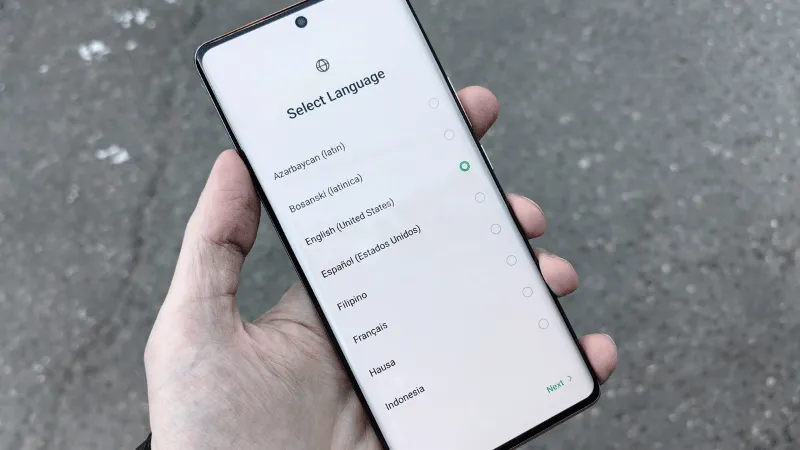
Interestingly, many professional translators — sworn ones included — do use machine translation as a first draft to speed up their workflow, but the output is always reviewed, corrected, and adjusted manually by a human translator before delivery. So the tool itself isn’t the problem — the problem is using raw machine output directly, with no professional verification and no legal standing behind it.
The key difference lies in final accountability: when a human translator uses a machine as a tool, they remain fully responsible for the final result — checking every sentence, making sure technical terms are correct, and signing off with their name and official status. If you use raw machine output directly with no human verification, there’s no one who can be held accountable if something goes wrong.
Conclusion
The sworn translator vs Google Translate comparison isn’t really about which one is “smarter” — it’s about two entirely different legal needs. Google Translate suits quick, informal purposes, while a sworn translator is a requirement for official documents that need legal recognition. Don’t gamble your important documents for a moment’s convenience.
If you’re unsure whether your document needs a sworn translator or a regular translation tool will do, the safest step is to ask the destination institution directly before deciding. Spending a few minutes to confirm is far cheaper than having to redo the whole process after a rejection.
Before deciding on a sworn translation service, also make sure you know the signs of a genuinely trustworthy sworn translation service — because sworn status alone isn’t enough if the provider itself isn’t professional, or worse, questionable.
STAR Software Indonesia provides certified legal translation services for your official documents. Get in touch with our team for a consultation, including making sure your documents are handled to a legally recognised standard from the very start.
Can Google Translate output be used for official documents?
No. Google Translate output isn’t legally recognised by government agencies, notaries, or courts because there’s no signature and no official sworn translator status behind it.
Why does machine translation often get legal terms wrong?
Machine translation works off statistical language patterns rather than deep legal context, so technical/legal terms are often translated literally and lose their original meaning.
Can sworn translators use machine translation as a tool?
Yes, as a first draft to speed things up, but the output must always be manually reviewed and adjusted by a human translator before being delivered as an official document.
For which documents should Google Translate never be used?
Visa/immigration documents, birth/marriage certificates, diplomas for official use abroad, business contracts, court/notary documents, and documents going through an apostille process.